

A lot of people put off thinking about a new driveway until spring, assuming nothing can happen in winter. In fact some surfaces can be laid through much of a Coventry winter, and even for those that can't, winter is the best time to get the planning done. Here's what the weather really means for each surface.
Why the weather matters
Most of the work on a new drive happens below the surface. Digging out, laying and compacting the sub-base, setting edging and sorting the drainage can carry on in most weather. What the weather affects is the finished surface: some materials need warmth to cure or compact, and some need dry conditions while they go down.
Surface by surface
Block paving: yes, most of the winter
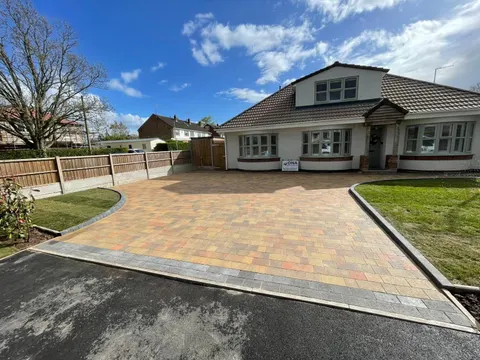
Block paving is the most weather-flexible surface we lay. The blocks aren't affected by cold, and once the base is in, they can be laid in light rain. Frost affects the jointing sand rather than the blocks, so on frosty days we hold off finishing the joints and complete them on the next dry day. For most of a typical winter, a block paved drive can go ahead.
Tarmac: best from April to October
Tarmac is laid hot and needs temperatures above 5°C to compact properly, with no rain while it's going down. Cold slows the work and can affect the finish, so we schedule tarmac for the warmer months wherever we can. A mild, dry spell in winter can work, but it's not something to plan around.
Resin bound: wait for warmer weather
Resin bound needs dry conditions and temperatures above 10°C, ideally 15°C or more. Moisture affects how the resin cures and bonds, so it's never laid on a damp base. In practice that makes resin a spring and summer job.
Concrete and imprinted concrete: milder months
Concrete and imprinted concrete need to stay dry for 24 to 48 hours after pouring, and are happiest between 10°C and 25°C. Too cold and the finish is weakened, so these are best laid outside the depths of winter.
Stone, setts and patios
Indian stone, cobbles and patio paving laid on a mortar bed need frost-free days while the mortar sets. With the right forecast they can be laid in milder winter weather, but we won't lay them if a hard frost is due.
Why winter is the best time to plan
Spring is when most people start looking for a new drive, and the diary fills up fast. Using the winter to get the groundwork of the decision done means you're at the front of the queue when the weather turns:
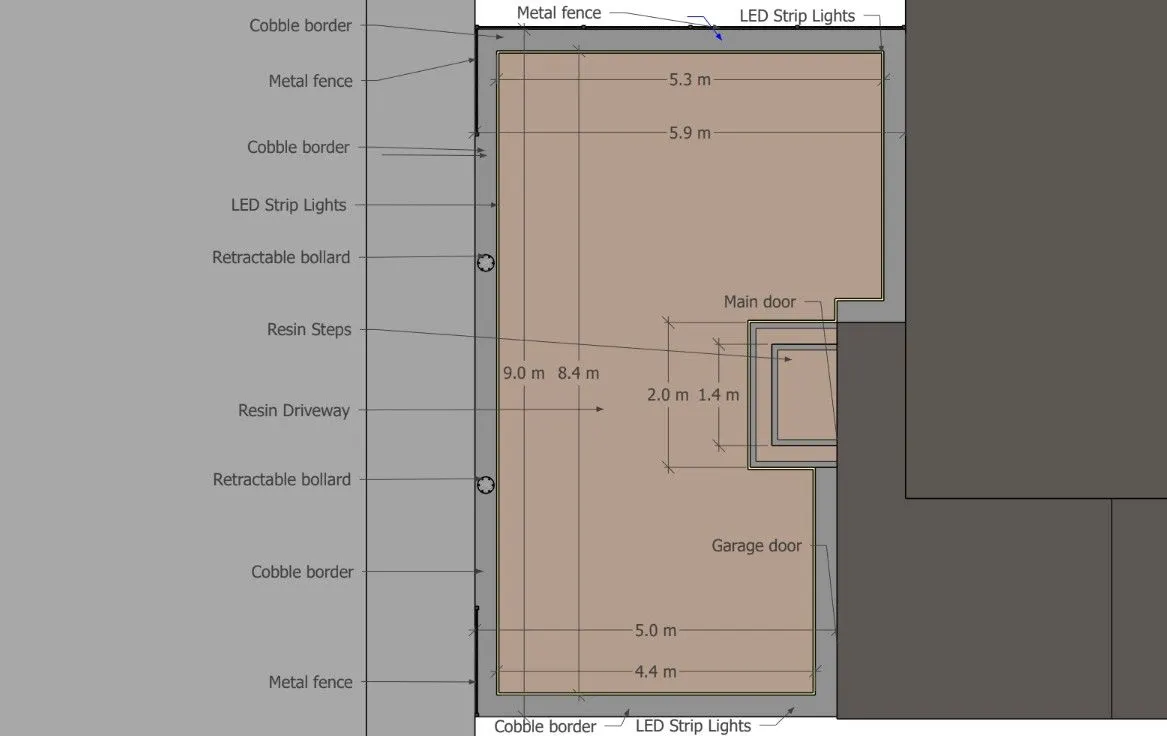
- Free design consultation. We measure up, look at levels and drainage, and draw up a 2D design of your new drive.
- Compare surfaces properly. If you're torn between block paving, tarmac and resin, we can price more than one side by side.
- Sort the paperwork. If you need a dropped kerb or planning permission, the applications take time, and winter is the ideal time to get them moving.
- Choose your materials. Colours and blocks can be chosen without the spring rush, with the job booked for the first suitable weather.
Thinking about a new drive?
Whether you want block paving laid this winter or a resin or tarmac drive ready for spring, we're happy to talk it through. Call 0247 542 6111 or book a free driveway design consultation. If you're still choosing, our guide to block paving vs tarmac compares the two most popular options.